Long-distance relationships are super hard. And while anyone in a long-term long-distance relationship will not publicly admit it, I can tell you I found it extremely exhausting.
The relationship roughly lasted for two years, and while we both loved each other dearly, it was not meant to be. It’s been over a decade since we broke up, and now, when I think back to those days, I can tell you communication was never the issue.
If the two of you are committed to each other, then there is no way you will have issues with finding ways to communicate – and with dating tech on the rise, it is almost impossible not to get in touch.
But the problem was more emotional. In traditional relationships, things are different – you get to spend time with your partner. Most importantly, it is about the everyday moments that you can’t have in long-distance relationships.
Having a cup of coffee with your partner after a long day of work can never be replaced by texts or even video calls. Texting is just not enough.
Having said that, it is unfair if I don’t touch upon the emergence of technology in the dating landscape and how it helps to improve a relationship.
Thinking back, we never downloaded apps that would help us stay connected – it could be raising a pet together, playing a game, or even daily check-ins. All I did was text and call – and decided it was never enough.
I don’t want anyone to give up on their relationship because it feels hard – make the most of technology to work out your problems.
Today, anything is possible, and that is why I’m here – to discuss the best apps for long distance couples that will help you stay connected across any distance.
Stay tuned.
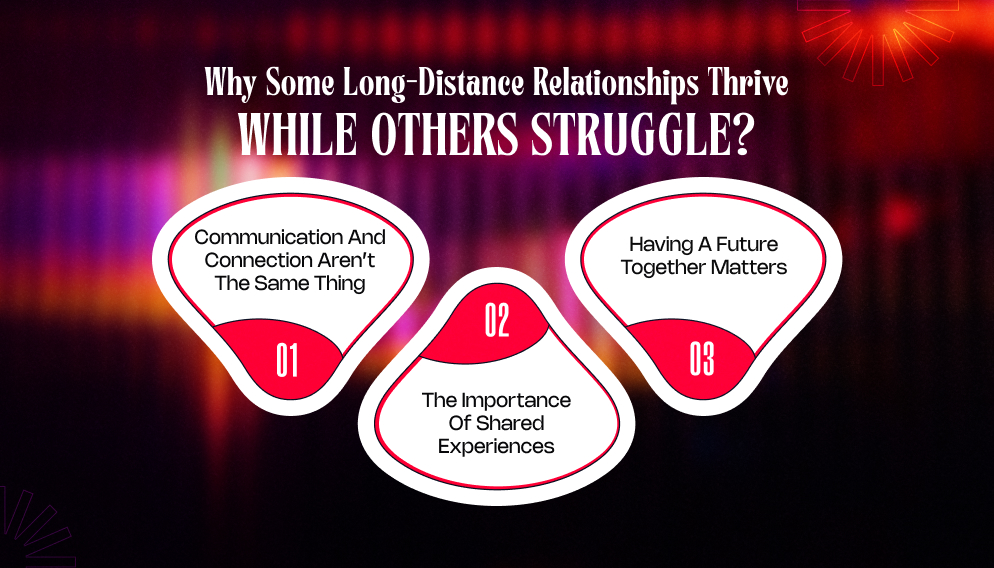
Why Some Long-Distance Relationships Thrive While Others Struggle?
Some long-distance relationships do thrive – I’ve seen many couples in long-distance relationships for years get married finally after spending years apart.
But at the same time, I have my own experience, and so many other friends with failed long-distance relationships.
To each their own – but after years in the modern dating niche, I’ve seen a pattern behind the success and failure of long-distance relationships.
1. Communication And Connection Aren’t The Same Thing:
This is where most of us falter – just because you are talking to someone every day does not mean you guys actually connect.
It is possible you are discussing practical stuff like logistics and what happened at work, and those mundane things will never contribute to the relationship.
Instead, the moment you have a meaningful conversation, you will know how different it is from all the practical chatter you were having every day.
And this is where most couples falter – you know your boyfriend’s daily schedule? Great. But what about his nightmares, fears, and everything in between? If you don’t know about that, then there’s a problem – and the faster you acknowledge it, the better.
2. The Importance Of Shared Experiences:
I work for 9 hours every weekday. And after I come home, I spend an hour or more talking to my boyfriend on a video call – just the two of us ranting about our days and how much we would rather spend time together.
And we do the same every morning before I leave for work. It’s a shared experience and an essential part of our routines – something which is absolutely non-negotiable.
We hardly ever text – in fact, we can’t do without video calls. More importantly, it doesn’t have to be video calls – it could be anything else as well.
For instance, you can watch a film together and connect more than texting. Or you can raise a pet together and connect more than just talking over call. The point is to find intimacy in shared experiences.
3. Having A Future Together Matters:
This is perhaps the most important point. With all that distance between you guys, the only thing that will keep you both going is future plans.
I mean, if you don’t have anything to look forward too then how will you deal with the distance? In my experience, it is more about the mental barriers.
For instance, since my boyfriend is a professional mountaineer, he spends a lot of time in remote corners of the country in a no-network zone – sometimes he is away for months.
But I always know when he will come back, and that keeps me going. If I had no clarity on when he would return, then waiting for him would get really hard.
So you need concrete plans, future milestones, and a lot of clarity for strengthening your relationship. Without any future plans, you won’t have anything to help you get over the distance.
Quick Comparison Of The Best Apps For Long Distance Couples:
To make matters easy for you to understand, I’ve made a table for you to quickly check out the best apps for long distance couples.
| App | Best For | Free Version | Platforms |
| Between | Private communication | Yes | iOS, Android |
| Paired | Relationship growth | Limited | iOS, Android |
| Agapé | Meaningful conversations | Limited | iOS, Android |
| Lasting | Relationship education | Limited | iOS, Android |
| Rave | Virtual movie nights | Yes | iOS, Android |
| Teleparty | Streaming together | Yes | Browser |
| Discord | Daily communication | Yes | Multiple |
| Google Calendar | Scheduling | Yes | Multiple |
| TimeTree | Shared planning | Yes | Multiple |
| Honeydue | Shared finances | Yes | iOS, Android |
| Wanderlog | Trip planning | Yes | Multiple |
If Your Biggest Problem Is Feeling Emotionally Disconnected:
Many couples assume emotional distance develops because they aren’t talking enough. That’s not always true.
In fact, some long-distance couples communicate constantly. They exchange messages throughout the day, send photos, and schedule regular calls.
Yet they still feel disconnected. The problem often isn’t communication volume. It’s communication quality.
1. Paired:
Paired was built around a simple idea.
Most couples don’t run out of things to say because they lack interest. They run out of things to say because daily routines become repetitive.
The app provides daily questions, quizzes, and conversation prompts designed specifically for couples.
Some questions are lighthearted. Others encourage deeper discussions about values, future plans, personal challenges, and relationship expectations.
A simple prompt can sometimes spark a conversation that lasts an hour. That’s where Paired shines.
Instead of forcing communication, it creates opportunities for meaningful conversations that might never happen naturally.
Best for:
- Couples who feel conversations have become repetitive.
- Partners who enjoy learning more about each other.
- Long-distance relationships need more emotional depth.
2. Agapé:
Agapé takes a slightly different approach. Rather than focusing on quizzes and activities, it encourages intentional daily connection.
The prompts feel thoughtful and personal. The best part? It makes you reflect on the relationship without making it too heavy and stressful.
I’ve seen so many long-distance couples lose the spark because their conversations focus mostly on practical stuff – work, schedules, travel plans, or household responsibilities.
Agapé helps shift attention back toward emotional connection. The questions on the app will encourage you and your partner to shift back to connecting emotionally – you will find yourself discussing memories, experiences, and feelings with your partner.
Best for:
- Couples who want deeper daily conversations.
- Partners who value emotional intimacy.
- Busy couples who need a structured connection.
3. Lasting:
Lasting approaches relationships from an educational perspective. The app includes guided sessions inspired by principles commonly used in relationship counseling.
Topics include:
- Communication
- Conflict resolution
- Trust
- Emotional connection
- Intimacy
- Shared goals
Some couples wait until problems become serious before working on their relationship. Lasting encourages the opposite approach.
Think of it as preventative maintenance. The app helps couples strengthen healthy habits before challenges become larger issues. This makes it particularly useful for couples who view personal growth as an ongoing process.
Best for:
- Couples interested in relationship education.
- Partners preparing for a long-term commitment.
- People who prefer structured guidance.
Why Intentional Conversations Matter?
Perhaps, the biggest mistake most couples in long-distance relationships make is prioritize quanity and frequency over quality.
What did I tell you above about my daily video calls? My partner and I hardly talk all day, but once I reach home, it is mandatory! An hour-long video call is so much better than distracted texting throughout the day.
Any couple in a healthy, long-term relationship already understands that the relationship doesn’t survive on daily updates. On most days, it will go beyond dropping random updates throughout the day.
While there is nothing wrong with dropping updates, the connection is more about discussing other stuff that matters as well. Those conversations help people feel understood.
And feeling understood is often what emotional connection is really about.
If Your Biggest Problem Is Missing Shared Experiences:
Long-distance couples spend a lot of time talking. Sometimes too much time. At a certain point, there simply aren’t enough daily events to discuss.
That’s why shared experiences matter. Relationships grow through doing things together. When distance removes those opportunities, couples often need to create new ones.
4. Rave:
Rave is one of the most popular apps for long distance couples for a simple reason. It recreates movie night.
The app allows couples to watch videos and stream content together in real time. Both people watch the same content simultaneously while chatting and reacting.
That might sound simple.
But shared entertainment creates natural interaction. You laugh at the same joke. React to the same plot twist. Debate the ending afterward.
The experience feels collaborative rather than conversational.
Many couples find that these shared activities reduce the pressure to constantly think of things to talk about.
Best for:
- Movie lovers.
- Weekly virtual date nights.
- Couples who enjoy shared entertainment.
5. Teleparty:
Much like Rave, Teleparty synchronizes content streaming for couples to enjoy the experience together from different locations.
I love how such viewing experiences are making it so easy to plan remote movie nights that are smooth and fun.
No countdowns. No constant pausing. And no “Wait, you’re ahead of me.” Everything stays aligned. That allows couples to focus on enjoying the experience instead of troubleshooting technology.
Best for:
- Netflix enthusiasts.
- Couples who regularly watch shows together.
- Long-distance date nights.
6. Spotify Jam:
Music often plays a surprisingly important role in relationships. Songs become connected to memories. Playlists become connected to different stages of life.
With Spotify Jam, you and your partner can listen to the same music together. And not just that, you guys can explore new music and create playlists for special occasions, or just like that.
The experience feels small, but remember small shared moments like this can strengthen your relationship – and sometimes much more than a grand gesture.
Best for:
- Music lovers.
- Couples who enjoy discovering new artists.
- Partners who want simple shared experiences.
Virtual Date Ideas Beyond Video Calls:
Video calls are valuable. But they don’t have to be the only activity. Many successful long-distance couples regularly schedule:
- Movie nights
- Cooking sessions
- Book discussions
- Online games
- Virtual museum tours
- Shared playlists
- Travel planning sessions
The goal isn’t simply spending time together. The goal is to create experiences that generate memories.
Because relationships are built on shared memories, distance shouldn’t stop you from making new ones.
You May Also Like: Apps For Couples: The Digital Tools That Can Actually Make Life Together Easier
If Scheduling Is Creating Frustration:
Many long-distance couples think they have a communication problem. What they actually have is a scheduling problem.
One person assumes Friday evening is available. The other has already committed to work, family, or friends.
A planned video call gets forgotten. A visit gets double-booked. Neither person intended to create tension, but frustration builds anyway.
That’s why shared scheduling tools can make a bigger difference than many couples expect.
7. Google Calendar:
Google Calendar remains one of the simplest and most effective tools available. Most people already use it. There is no learning curve and very little setup.
Couples can create shared calendars for:
- Date nights
- Planned calls
- Visits
- Holidays
- Special occasions
- Travel schedules
Color-coding events also helps partners quickly see what is happening in each other’s lives. The biggest advantage is visibility.
Instead of constantly asking when someone is free, both people can see upcoming commitments at a glance.
Best for:
- Couples with busy schedules.
- Different time zones.
- Planning visits and important events.
8. TimeTree:
TimeTree takes scheduling a step further.
Partners can comment directly on events, discuss plans, and make updates inside the calendar itself. That way, you guys don’t need to ‘waste’ time texting constantly about logistics.
I think TimeTree is an excellent app for long-distance relationships that are burdened with exhausting work commitments and family obligations.
Best for:
- Couples coordinating complicated schedules.
- Frequent travelers.
- Partners who enjoy collaborative planning.
9. Cozi:
Although Cozi was originally designed for families, many couples find it helpful. The app combines calendars, reminders, shopping lists, and to-do lists in one place.
For couples who are planning a future together, Cozi can help organize responsibilities even while living apart.
Best for:
- Couples planning a shared future.
- Long-term relationships.
- Partners managing multiple responsibilities.
Why Time Zones Create More Stress Than People Expect?
Time zones don’t just affect scheduling. They affect energy levels. One partner may be excited to talk after work. The other may be exhausted and ready for bed.
Over time, this mismatch can create frustration. The solution isn’t talking more. It’s creating predictable routines.
When couples know exactly when they’ll connect, scheduling becomes easier, and expectations become clearer.
The Most Important App Might Be the One That Helps You Plan Your Next Visit:
Ask long-distance couples what they look forward to most. The answer is usually the same. The next visit.
Having a trip planned changes everything. Distance feels easier when there’s a date on the calendar.
Without that date, uncertainty can start to creep in. That’s why travel-planning apps deserve more attention than they usually receive.
10. Wanderlog:
Wanderlog helps couples plan trips together.
Flights, accommodations, restaurants, attractions, and daily itineraries can all be organized inside one platform.
Instead of one person handling everything, both partners can contribute ideas.
That collaboration often makes the trip feel like a shared project rather than a logistical challenge.
Best for:
- Planning future visits.
- Building travel itineraries together.
- Couples who enjoy collaborative planning.
11. TripIt:
TripIt focuses on organization. The app stores travel confirmations, reservations, flight information, and schedules in one place.
When multiple bookings are involved, having everything organized can significantly reduce stress.
Best for:
- Frequent travelers.
- Complex travel plans.
- International visits.
12. Google Maps:
It may not be a relationship app, but many couples use Google Maps while planning future visits.
Saving restaurants. Exploring neighborhoods. Creating travel routes. Building lists of places to visit. These activities create excitement long before the trip begins.
Best for:
- Travel planning.
- Exploring future destinations.
- Building anticipation together.
Why Future Planning Strengthens Relationships?
Long-distance relationships become harder when there is no clear direction. People need something to look forward to.
That doesn’t mean every couple needs an exact timeline for closing the distance. But having future plans creates momentum.
The relationship feels like it’s moving forward rather than standing still.
Sometimes, planning the next visit provides more emotional comfort than another messaging app ever could.
Managing Money Across The Distance:
Long-distance relationships often cost more than people expect.
Flights are expensive. Hotels add up. Transportation costs continue rising. Even short visits can become significant financial commitments.
That’s why financial planning deserves a place in this discussion.
13. Honeydue:
Honeydue was designed specifically for couples.
The app helps partners track expenses, monitor bills, and manage financial responsibilities together. One feature many couples appreciate is flexibility. Not everyone wants fully merged finances.
Honeydue allows couples to share information while maintaining personal boundaries.
Best for:
- Shared travel planning.
- Managing relationship expenses.
- Couples with separate accounts.
14. YNAB (You Need A Budget):
YNAB takes a goal-focused approach. Instead of tracking spending after it happens, users assign every dollar a purpose beforehand.
For long-distance couples saving for visits, vacations, or relocation plans, this can be incredibly useful.
Best for:
- Savings goals.
- Travel funds.
- Long-term financial planning.
15. Monarch Money:
Monarch Money gives couples a broader financial overview. Accounts, spending habits, investments, and goals appear in one dashboard.
The app helps partners make decisions using actual data rather than assumptions.
Best for:
- Serious financial planning.
- Long-term couples.
- Future household planning.
Creating A Visit Fund Together:
One practical strategy many successful couples use is a dedicated visit fund.
Instead of scrambling for money every time travel becomes necessary, both partners contribute regularly.
The amount doesn’t have to be large. Consistency matters more than size. A dedicated travel fund reduces financial stress and makes future visits easier to plan.
How To Choose The Right App For Your Relationship?
The best app depends entirely on your biggest challenge.
| If You Need | Best App |
| Better conversations | Paired |
| Emotional connection | Agapé |
| Relationship education | Lasting |
| Virtual movie nights | Rave |
| Shared schedules | Google Calendar |
| Collaborative planning | TimeTree |
| Travel planning | Wanderlog |
| Shared finances | Honeydue |
| Goal-based budgeting | YNAB |
What Actually Keeps Long-Distance Relationships Strong?
After looking at dozens of apps, one thing becomes clear. The strongest long-distance relationships don’t depend on technology. They depend on habits.
Successful couples tend to do a few things consistently. They communicate honestly. They make time for each other. And create shared experiences.
They show up when they say they will. Apps can support those habits. But, they cannot replace them.
A movie-watching app won’t create a connection if neither person invests in the relationship. Or, a shared calendar won’t fix poor communication. Technology works best when it supports a healthy relationship that already has a strong foundation.