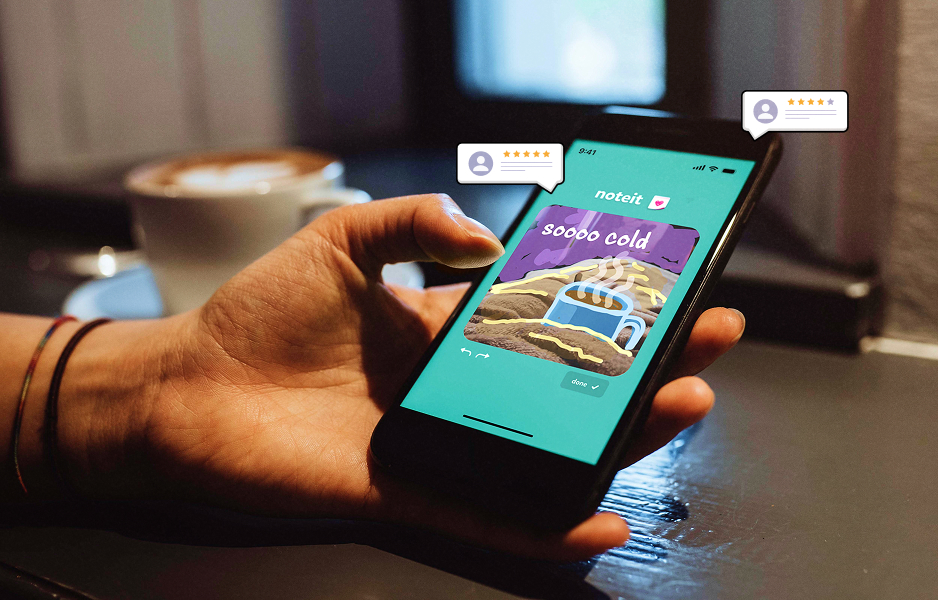
The other day I was working from a café and a couple nearby caught my eye – while both of them were sitting across from each other, neither of them was engaging in any conversation.
Rather, both of them were quietly scrolling on their phones.
If I had taken a photo of that moment and posted it online, the comments would have written themselves – “Phones are ruining relationships,” “Nobody talks anymore,” or “People spend more time with screens than with each other.”
So, drawing from this, if I ask anyone what the problem with this view is, they will immediately blame technology – the phone is the problem.
Recently, I was on vacation with my boyfriend. On several occasions, we were sitting across each other – one of us booking the cab and the other person looking up activities to do. But if someone saw us from a distance, they would assume that we have no control over our screen time.
And that’s the thing about technology – we almost always end up judging the device without knowing the whole story.
Phones, laptops, and messaging apps have become an easy target whenever conversations turn to modern relationships. They’re blamed for distraction, poor communication, and emotional distance.
At times, the criticism is fair. And nobody wants to compete with a screen for the sake of attention. But honestly, technology isn’t making those decisions – people are.
So, the same phone that interrupts a conversation can also help a long-distance couple fall asleep on a video call – the device doesn’t change, but the habit does.
The way you use technology determines whether it will bring you and your partner closer, or just push them apart. And today, I’ll specifically discuss technology habits for couples that strengthen relationships.
Stay tuned.
Why Does Technology Get A Bad Reputation?

As a self-proclaimed attention-wh*r*, I can tell you that I hate it if my partner starts using his phone when I’m talking or spending time together.
For instance, the FIFA World Cup was going on last week, and we were on a video call while he was watching the match. I was talking, and he was listening to me, but his eyes were on the match – I remember how upset I got over this and ended up fighting about it.
To be fair, he has always been attentive to me – he loves football and had already told me he would be watching the match at that time. However, I had a really bad day at work and needed my man – it was the stress inside me that was inducing the fight.
Frankly, it’s easy to blame technology when relationships feel strained.
Look around any restaurant, airport, or waiting room, and you’ll probably see people staring at their phones instead of talking to each other. Those moments create the impression that screens are replacing real conversations.
But technology rarely creates problems on its own – more often, it magnifies habits that already exist.
So, if your partner has the habit of scrolling when you are talking, then the phone is definitely the problem. It’s his conscious choice to be on his phone when you are speaking.
The same technology can tell a completely different story.
For example, a couple living in different cities relies on video calls to stay close. Or friends separated by time zones still find ways to celebrate milestones together.
The device hasn’t changed. But the intention behind using it has. That’s why blaming technology alone oversimplifies the problem.
In this context, you can also check out my blog on: How Smart Devices Affect Relationships?
The Difference Between Mindless And Intentional Technology Use:
To simplify matters, I have made a table highlighting the differences between mindless and intentional technical usage, drawing from what I was discussing above.
| Mindless Technology Use | Intentional Technology Use |
| You unlock your phone out of habit, not because you have a specific purpose. | You pick up your phone with a clear reason in mind. |
| Notifications dictate when you check your device. | You decide when it’s the right time to check your phone. |
| You jump between apps without thinking and lose track of time. | You complete the task you intended to do, then put your phone away. |
| You check messages while someone is talking to you. | You stay present during conversations and respond to messages later if they aren’t urgent. |
| You scroll through social media simply to fill quiet moments. | You use social media deliberately, then log off when you’re finished. |
| You reply to emails immediately, even when they can wait. | You respond to emails based on their urgency and your availability. |
| Your phone interrupts meals, family time, or date nights. | You create phone-free moments to focus on the people around you. |
| You feel compelled to react to every notification. | You decide which notifications deserve your attention and which can wait. |
| Your device controls your attention throughout the day. | You control when and how technology fits into your daily routine. |
Key takeaway: So, the difference isn’t how much time you spend using technology. Instead, it’s whether you are using your devices with purpose or simply reacting to every notification that comes your way.
Related Article For You: Relationship Tracker: The Complete Guide To Measuring And Strengthening Your Relationship In 2026.
Signs That Technology Is Helping, Or Quietly Hurting, Your Relationship:

What most people don’t understand is technology isn’t really harming or even helping your relationship for that matter.
Frankly, the only thing that matters is the role technology plays in your daily life. So, if it helps you strengthen communication and helps you stay connected with your loved ones, then it’s doing you and your relationships good.
However, if it is a source of distraction and distances you from people and relationships that matter, it might be time to rethink some habits.
Signs Technology Is Helping Your Relationship
Technology is likely having a positive impact if it:
- Makes communication easier, especially during busy days.
- Helps you stay connected when you’re apart.
- Encourages meaningful conversations instead of replacing them.
- Reduces stress through shared calendars, reminders, or planning tools.
- Creates opportunities to share experiences, such as video calls, playlists, or photo albums.
- Helps you show care with thoughtful messages, check-ins, or words of encouragement.
- Supports quality time rather than interrupting it.
Signs Technology May Be Hurting Your Relationship
It may be time to rethink your digital habits if:
- Notifications regularly interrupt conversations or meals.
- One partner feels ignored because the other is frequently on their phone.
- Small misunderstandings often begin over texts, delayed replies, or social media activity.
- You spend more time scrolling together than talking to each other.
- Being in the same room doesn’t mean you’re actually present with one another.
- You instinctively reach for your phone whenever there’s a quiet moment.
- Social media comparisons or online interactions create unnecessary tension or insecurity.
- You feel more connected to your screen than to the people around you.
You May Also Like: Budgeting Apps For Couples: 12 Best Apps To Manage Money Together In 2026.
Technology Habits For Couples That Strengthen Relationships:

In this section, I’ve discussed the most important technology habits for couples that strengthen relationships – the point? To show that technology need not always be your enemy, but a blessing in disguise.
1. Put Phones Away During Meaningful Conversations:
This is perhaps the most important of the lot! While having a meaningful conversation, keep your phone away – it shows that your partner has your complete attention.
For instance, your boyfriend has come back from a long trip and is sharing his experience with you. But your phone keeps lighting up with work notifications. Yes, work is important, but at that moment the only thing that matters is giving your boyfriend your complete attention.
Most people fail to understand the difference between meaningful and casual conversations. And that is precisely why they think it’s too time-consuming – you just need to understand what is important when!
2. Create Screen-Free Routines, Not Screen-Free Lives:
This is one of those technology habits for couples that can really work out if the two of you agree on your routine. For instance, we went on a vacation recently because we haven’t been able to spend enough time thanks to work and busy schedules.
So, we made it a point to not interact with friends and colleagues at the time – we used our phones to take photos and watch reels together, and even do some online shopping.
Most people will assume that it’s about creating stringent rules around not using your phones or keeping your phone on DND mode. But that’s not the point – you need to create screen-free routines, not screen-free lives.
3. Use Shared Calendars To Reduce Mental Load:
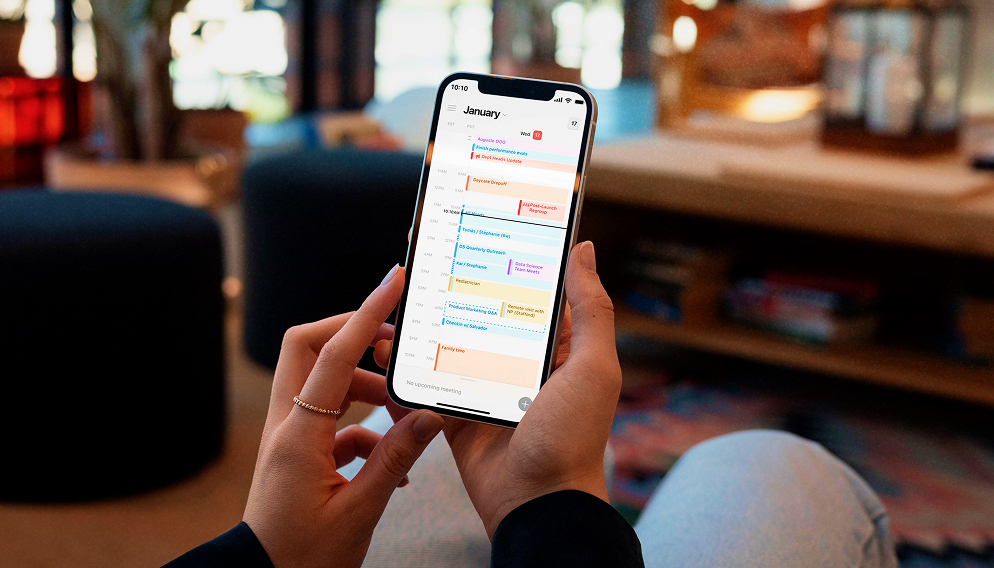
I am a fan of shared calendar apps – these save so much time, you have no idea! Having said that, not every calendar app is built with couples in mind.
Some are designed for businesses. Then there are shared calendar apps that can help you boost your productivity levels and growth.
To be honest, while you can share most calendars, it is not possible that all shared calendars will help all couples objectively.
As a result, it is essential to actually pause and think about which app will help you the most – think from a ‘you’ perspective. Also, don’t forget to take your partner into consideration.
Remember, the best calendar is the one that both partners open regularly. A complicated app with dozens of features won’t help if one person gives up after a week.
4. Stay Connected Through Thoughtful Messages, Not Just Reactions:
As someone with a high EQ, I need some meaningful messages to keep me going on some days, especially because my boyfriend is a professional mountaineer who travels a lot.
So, it becomes difficult to stay connected without technology for us – we have been using so many apps for couples to make the most of technology for staying in touch.
And for us, it has worked out pretty well – it’s a must-recommend for anyone having difficulties staying connected.
Most people make the mistake of staying connected through reactions – but this is your relationship. Your partner naturally expects more than a ‘haha’ react. Sometimes, you can drop a text to tell him you are thinking about him too.
5. Make Video Calls Part Of Family Life When Distance Is Involved:

Distance doesn’t have to create emotional distance.
Regular video calls help families stay involved in each other’s everyday lives, whether it’s celebrating birthdays, helping with homework, or simply catching up after work. Also, seeing someone’s face often creates a stronger connection than exchanging a few text messages.
The mistake many people make is waiting for a special occasion to call. Small, regular conversations usually strengthen relationships far more than occasional, hour-long catch-ups.
6. Build Shared Digital Spaces, Like Photo Albums Or Playlists:
Technology can become a place where memories grow instead of just another distraction.
Create a shared photo album after a holiday, build a playlist for road trips, or keep a shared note with restaurants you’d like to visit. Also, these small projects give you something to enjoy together over time.
The common mistake is creating these spaces and then forgetting about them. Keep adding to them so they become a living collection of shared experiences.
7. Respect Each Other’s Response Times:
Everyone communicates differently. Some people reply within minutes, while others check their messages only a few times a day.
Respecting those differences builds trust and prevents unnecessary misunderstandings. Instead of assuming a delayed reply means someone is upset or uninterested, remember they may simply be busy.
One of the biggest mistakes people make is expecting instant responses all the time. Healthy relationships are built on understanding, not constant availability.
8. Discuss Social Media Expectations Openly:

Social media affects every relationship differently. One person may enjoy posting photos together, while the other prefers to keep personal moments private.
Neither preference is wrong. What matters is having an open conversation before assumptions turn into arguments. So, talk about what you’re comfortable sharing, tagging, or commenting on.
The biggest mistake is assuming your partner, family member, or friend automatically feels the same way you do about sharing life online.
9. Protect Private Moments Instead Of Posting Everything Online:
Not every meaningful moment needs an audience.
For instance, a birthday dinner, family celebration, or weekend getaway can be more enjoyable when you’re fully present instead of thinking about the perfect photo or caption. Capture a few memories if you’d like, but don’t let social media become the focus.
A common mistake is experiencing life through a camera lens instead of simply enjoying the people you’re with. Some of the best memories never make it to Instagram.
10. End The Day Without Endless Scrolling:
The way you end your day often affects the quality of your relationships. Instead of spending the last hour before bed scrolling through social media or catching up on emails, use that time to reconnect.
Talk about your day, watch a show together, read, or simply enjoy a few quiet minutes without screens.
The mistake is assuming you’ll find time to connect tomorrow. Those small conversations before bed often become the moments people remember most.
11. Review Digital Boundaries As Life Changes:
Relationships evolve, and your technology habits should evolve with them. So, what worked during long-distance dating may not suit married life, parenthood, or changing work schedules.
Also, set aside time every so often to talk about what’s working and what isn’t. You might decide to reduce work notifications at home or introduce more screen-free family time – your digital boundaries are super important, especially in the context of your relationships.
The biggest mistake is assuming the same digital habits will continue to work forever without checking in with each other.
Key Takeaways:
Technology isn’t going anywhere, and it doesn’t have to.
The goal was never to use fewer devices or delete every app from your phone. Instead, it’s to make sure technology supports your relationships instead of quietly competing for your attention.
The strongest relationships aren’t built through perfect digital habits. They are built through small, consistent choices.
Putting your phone away during an important conversation. Sending a thoughtful message in the middle of a busy day. Respecting each other’s boundaries. Making time to be fully present, even if it’s only for a few minutes.
None of these habits require a major lifestyle change. They simply ask you to be a little more intentional about how technology fits into your life.
So, start with one habit instead of trying to change everything at once – over time, those small decisions can strengthen communication, build trust, and create more meaningful moments with the people who matter most.
At the end of the day, technology is only a tool. Whether it creates distance or connection depends on how you choose to use it.