Most people don’t struggle with getting matches. They struggle with what happens after.
So, you match, you say something, they reply once, and then? Then, it fades. After a point, it stops feeling like dating. It starts feeling like scrolling with extra steps.
As a result, when I sat down to do a Hinge Vs Tinder comparison, there’s only one real question that I want to ask: Which one gives you a better shot at something that actually goes somewhere?
Let’s get into it.
Hinge Vs Tinder: The Core Difference You Actually Feel
On paper, both apps do the same thing. They show you people nearby. But the way they’re built changes how people behave.
So, while Tinder keeps you moving, Hinge slows you down. On Tinder, you swipe fast. Decisions take seconds. Moreover, you don’t think much.
In contrast, on Hinge, you look at prompts. You read. Also, you react to something specific. That one change shifts your mindset.
On Tinder, you’re browsing profiles, but on Hinge, you’re noticing people. It sounds small, but it changes the tone of everything that follows.
Why Tinder Feels Busy But Often Goes Nowhere?
Tinder gives you activity, not always progress.
So, you are more likely to get:
- More matches.
- More notifications.
- More short conversations.
But here’s the pattern most people notice after a week.
- A lot of matches don’t reply.
- A lot of chats don’t last beyond two messages.
And you keep starting over. This happens because matching on Tinder is low commitment.
As a result, people swipe when they’re bored – late at night, in between things. And that too without much intention.
So the match doesn’t carry weight. It’s not that people are bad. Instead, it’s that the system makes it easy to be casual.
Why Hinge Feels Slower But More Stable?
Hinge can feel quiet at first – Fewer likes, fewer matches, and sometimes even a slow day. But when something does happen, it feels different.
Someone liked a specific photo or replied to a prompt you wrote. That means they paused. More importantly, they noticed something.
So when you match, there’s already a small thread to pull on. That’s why conversations tend to last longer – not always, but more often.
Hinge Vs Tinder Profiles: The Part Everyone Underestimates
If you’ve ever felt like people don’t “get” you on dating apps, this is usually why.
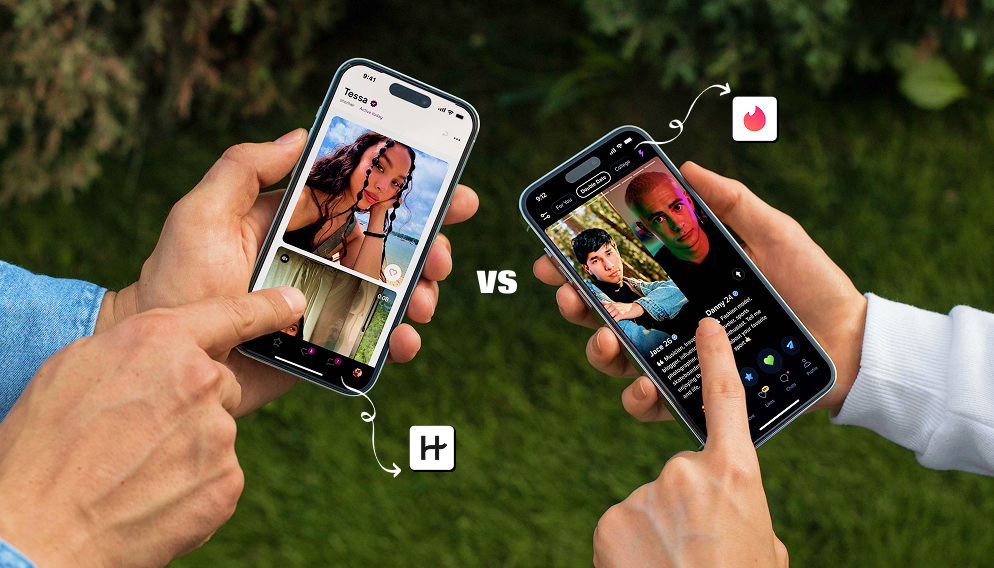
Tinder profiles don’t give you much space to show anything. So people rely on photos. That works if your photos are strong. But it doesn’t work if your personality is your edge.
In contrast, Hinge gives you room to show how you think. Your answers don’t need to be perfect. Rather, they just need to feel real.
And this is where most people go wrong. They try to sound impressive instead of sounding like themselves.
A simple answer like “I take my tea breaks very seriously” will often do more than something generic like “I love traveling and having fun.”
Also, it is important to remember in this context, how being specific beats impressive – and that too every time.
Related: When Do Hinge Likes Reset? My Swipe Strategy For Maximum Impact!
Hinge Vs Tinder: What Good Conversations Actually Look Like?
Most advice says “be interesting.” But I think that’s super vague and not helpful.
So, I want to look at it with a much more practical (and effective) approach.
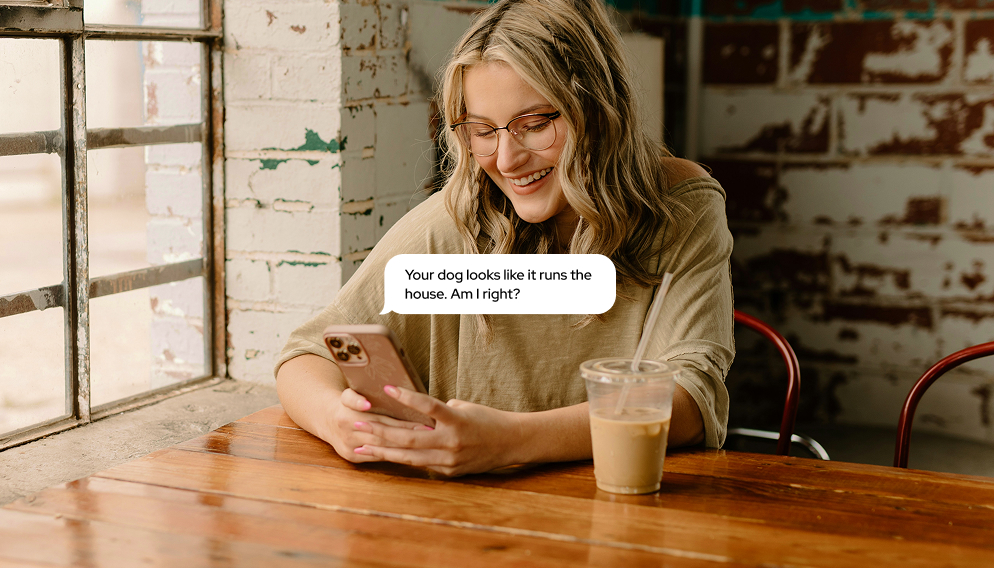
On Tinder, you need to create context from nothing. So instead of “hey,” try something tied to their profile.
Even a small observation works: “Your dog looks like it runs the house. Am I right?” It’s simple, but it gives the other person something to respond to.
However, on Hinge, the context is already there – you just need to use it.
As a result, if someone says they love bad horror movies, don’t just agree. Instead, ask something that continues the idea.
For example, ask “What’s the worst one you’ve watched that you still recommend?” This keeps the conversation moving without forcing it.
Also Check: 50 Tinder Conversation Starters That Always Get Me Responses!
Hinge Vs Tinder Effort: Where Most People Get It Wrong?

People often think, “I’ll put in effort when I see it’s worth it.” But on dating apps, it works the other way.
Your effort is what creates the opportunity.
As a result, on Tinder, low effort can still get you matches, but it rarely gets you anything beyond that.
In contrast, on Hinge, effort shows quickly:
- Better photos.
- Thoughtful prompts.
- Slightly more engaged replies.
And people respond to that.
Additionally, you don’t need to overdo it – you just need to be a bit more present than average.
The Emotional Side No One Talks About:
This part matters more than features. Tinder can make you feel replaceable because everything moves fast – people come and go quickly.
So, if you’re not careful, you start taking it personally.
But on Hinge, things feel slightly more human – not perfect, but less disposable because people interact with parts of you, not just your face.
As a result, the experience feels less like a numbers game. Moreover, if you’ve ever felt drained after using dating apps, this difference is real.
You Can Also Check: Hinge Vs Bumble: Which Dating App Is More Relevant In 2026?
What Works Better In Cosmopolitan Cities?
Location changes the experience more than people expect.
So, in large, urban metropolitan cities, Tinder is:
- Larger and more active.
- Easier to get matches quickly.
- More mixed intent.
Similarly, in the same cities, Hinge is:
- Smaller but growing.
- More common among working professionals.
- Slightly more serious conversations.
As a result, if you want volume, Tinder still leads. However, if you want clarity, Hinge tends to feel better.
So, Which One Should You Pick?
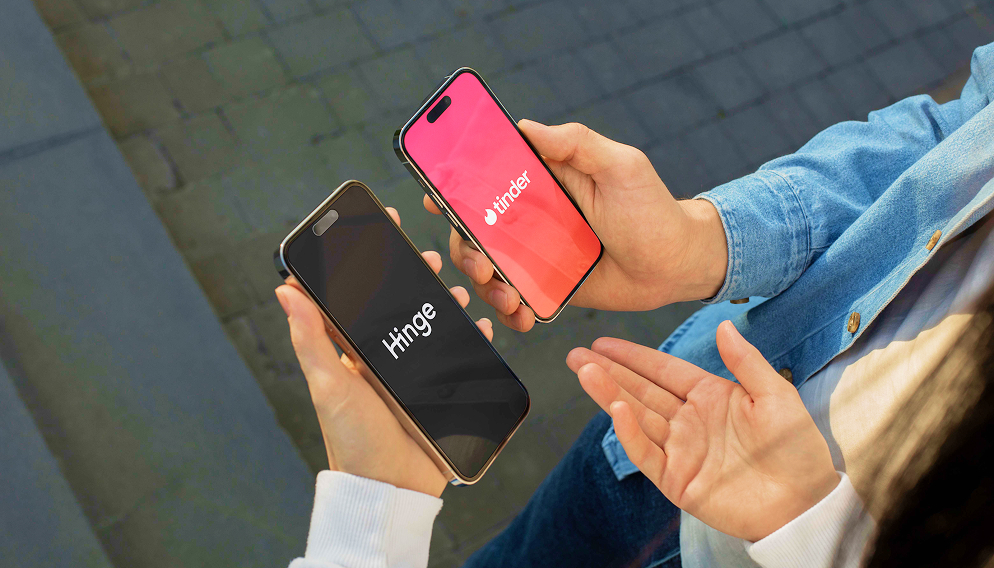
Instead of overthinking it, match the app to your current mindset.
Go with Tinder if:
- You’re just exploring.
- You don’t want to overinvest.
- You’re okay with things being unpredictable.
Go with Hinge if:
- You want conversations that go somewhere.
- You’re open to meeting someone properly.
- You don’t mind putting in a bit more effort.
A More Useful Way To Use Both:
You don’t have to commit to one. Instead, use them differently, but how?
- Treat Tinder lightly. Don’t expect too much from it.
- Treat Hinge with intention. That’s where you try.
This simple shift reduces frustration a lot.
Hinge Vs Tinder: Which Dating App Actually Works In 2026?
No dating app will suddenly fix your dating life. But the environment you choose affects your experience.
So, while Tinder gives you speed and variety, Hinge gives you context and slightly better odds.
Also, if you’ve been stuck in the same cycle of short chats and no outcomes, switching to Hinge might help. Not because it’s perfect, but because it asks people to show up a little more. And sometimes, that small difference is enough.