Most Bumble vs Tinder comparisons sound the same. They list features, throw in a verdict, and move on.
But that’s not how people use these dating apps.
We don’t sit around thinking about features. Rather, we care only about one thing: Are you getting good conversations, and are those conversations going anywhere?
So instead of a surface comparison, let’s break this down the way it actually plays out over a few weeks of using both apps.
Stay tuned.
Bumble Vs Tinder: First Few Days (The Excitement vs The Pause)
When you first join Tinder, it feels fast. You get matches quickly, especially in the first 24–48 hours.
Then, the app shows your profile to more people early on. This creates that initial rush, and you start thinking, “Okay, this works.”
But then something subtle happens. You match with people, but conversations don’t always start.
Also, sometimes conversations start and die within a few messages – I find it such a waste of time, frankly.
It’s not that people aren’t interested. Instead, it’s because so many users are just browsing.
Now compare that to Bumble.
The first few days can feel slower. You may get fewer matches. And then, even after matching, you might just wait because the other person has to send the first message.
At first, this feels like friction. But it’s actually filtering behavior.
Moreover, people who message on Bumble usually intend to talk. That changes the tone more than you expect.
Bumble Vs Tinder: What Swiping Feels Like After a Week?
This is where the real difference shows up.
On Tinder, most people fall into a pattern:
- Swipe a lot.
- Match often.
- Talk to a few people.
- Ignore the rest.
It becomes a loop. Also, you keep swiping because it feels productive. But many of those matches never turn into anything.
So, it can feel like you’re moving forward, but you’re not really going anywhere.
On Bumble, you swipe less aggressively over time. You start reading profiles more. Because you know that if you match, someone has to take action soon.
So your behavior shifts without you noticing. You become more selective. That one change alone improves match quality.
Bumble Vs Tinder: The Conversation Reality (This Is What Matters Most):
Let’s be honest. Matching is easy, but conversation is the real test.
On Tinder, a typical conversation looks like this:
- One person says, “Hey.”
- The other replies after a few hours.
- A few short exchanges happen.
- Then it fades.
This happens a lot. Not always, but enough to feel frustrating. Why? Because there’s no cost to starting a conversation. So people start them casually.
On Bumble, conversations feel slightly different.
Since one person has to make the first move, even a simple “Hi” carries more intent. It sounds small, but it matters.
Also, you’ll notice:
- Slightly better opening lines.
- Faster engagement once the chat starts.
- Fewer “dead” matches.
That said, Bumble is not perfect. Some people still send low-effort messages. Moreover, some chats still die.
But overall, the signal-to-noise ratio is better.
Related: 100 Hinge Conversation Starters For Instant Responses
The Unspoken Difference: Effort
This is something most blogs don’t explain clearly.
- Tinder rewards availability.
- Bumble rewards effort.
So, on Tinder, if you are active and keep swiping, you will get matches. Moreover, Tinder’s algorithm favors momentum.
But on Bumble, effort shows up in different ways:
- Better profiles perform better.
- Thoughtful swiping leads to better matches.
- Conversations require a bit more intention.
This makes Bumble feel slower. But also more grounded.
Bumble Vs Tinder: Who You Actually Meet (Not Just in Theory)?

In a cosmopolitan modern city, both dating apps are active, but the vibe is different.
So, on Tinder, you’ll meet:
- College students.
- People are exploring dating casually.
- Users who are not sure what they want.
- A mix of serious and unserious profiles.
On Bumble, you’ll often see:
- Working professionals
- People who have used dating apps before
- Users who are clearer about what they want
Again, these are patterns, not rules.
- You can find serious people on Tinder.
- You can find casual users on Bumble.
But if you spend enough time on both, the difference becomes obvious.
Why Do Some People Do Better On One Dating App?
This part is important. Some people struggle on Tinder but do well on Bumble. But others have the opposite experience.
Also, it usually comes down to personality and presentation.
So, you may do better on Tinder if you:
- Prefer quick interactions.
- Don’t mind starting conversations.
- Enjoy high-volume matching.
However, Bumble may work better for you if you:
- Like meaningful conversations.
- Put effort into your profile.
- Prefer quality over quantity.
Also, remember it’s less about the dating app and more about how you use it.
Bumble Vs Tinder: Profile Strategy (What Actually Improves Results)?
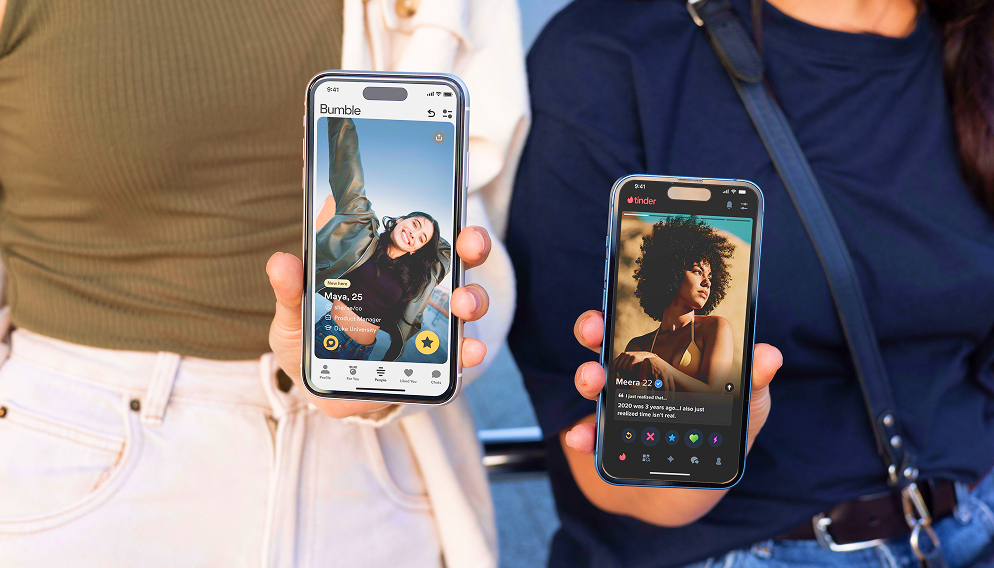
Most people underestimate this. A strong profile can double your results on either app.
So, here’s what tends to work in real use:
1. Photos:
- Clear face photo as the first image.
- Natural lighting.
- One photo showing lifestyle (travel, hobby, social setting).
- Avoid heavy filters.
2. Bio:
For this, you need to keep it short, but specific.
For example, something like “Weekend climber, coffee addict, and always planning the next trip,” is great. But something vague like “Love music, travel, and fun,” isn’t going to work.
So, the first one gives people something to respond to.
Moreover, on Bumble, this matters even more because people read profiles before sending the first message.
Also Check: When Do Tinder Likes Reset? My Swipe Strategy For Maximum Impact!
The Emotional Side No One Talks About:
Using dating apps affects how you feel. This part is real.
Tinder can feel exciting, but also draining. You see many profiles, but not all interactions go anywhere.
After a while, it can feel repetitive.
In contrast, Bumble can feel slower, but less chaotic. You may have fewer conversations, but they feel more stable.
As a result, while some people prefer the energy of Tinder, others prefer the calm of Bumble. Moreover, your emotional response matters. It affects how long you stay consistent.
Paid Features: Do They Change Anything?
Both dating apps push premium plans. And yes, they help.
So, on Tinder, paying increases visibility – this means you get more matches faster, and it is useful if your profile is already decent.
In contrast, on Bumble, paid features give you control – this means you can extend matches and filter better.
But here’s the truth:
- If your profile is weak, paying won’t fix it.
- If your profile is strong, you may not need to pay at all.
Bumble Vs Tinder: Which One Should You Use?
Naturally, you want a clear answer, and I am here to give you all the clarity you need about which dating app might work better for you.
So, choose Tinder if:
- You want more matches quickly.
- You enjoy fast-paced interaction.
- Also, you are okay with filtering through noise.
However, opt for Bumble if:
- You want better conversations.
- You prefer a calmer experience.
- Also, you value intention over volume.
So, if you’re still unsure, don’t overthink it. Instead, use both for two weeks – not casually. But try to actually use them – swipe, talk, observe.
Then ask yourself one simple question: Where am I having better conversations? That is the answer you need to decide on one dating app.
Moreover, people often think the app decides their dating life. TBH, it doesn’t. Also, your photos, your bio, your tone, and your consistency matter more.
Remember, Tinder gives you reach, while Bumble gives you structure. The better choice is the one that matches how you naturally connect with people.
Happy swiping!
Additional Resources:
- Hinge Vs Bumble: Which Dating App Is More Relevant In 2026?
- Hinge Vs Tinder: Which Dating App Is More Relevant In 2026?