Valentine’s Day 2026 is going to be different.
For decades, I can see the Day of Love follow a curated script – dinner reservations, red roses, expensive gifts, and social media shoutouts.
Personally, I find it extremely boring – I mean, aren’t you exhausted of doing the same thing year after year?
The only difference, perhaps, is that we are doing it with different people. For instance, I have celebrated Valentine’s Day with different guys over the years.
Unfortunately, the activities of the day have remained roughly the same. Moreover, if you are in a long-term relationship, then even if the person stays the same!
And once you step out for dinner, you will see so many other people doing the same thing – candlelight dinner at a crowded restaurant, rushing to meet consumer demands.
TBH, this has been the scene for years. But last year, I felt things started shifting – and most of us didn’t even notice. With major generational and cultural shifts, a dating Renaissance is here!
As communication habits shift, technology reshapes connection, and emotional expectations evolve, so does the meaning people attach to February 14.
Valentine’s Day 2026 reflects a noticeably different atmosphere, one that feels less rigid, less performative, and far more personalized.
Moreover, this isn’t really about abandoning romance. Rather, it’s about redefining it.
On that note, my agenda for the day is simple: to dissect the top dating trends that are all set to reshape Valentine’s Day.
From the rise of experience-driven connection to the normalization of undefined relationships, here are the dating trends shaping how people approach Valentine’s Day this year, and what they reveal about modern intimacy more broadly.
1. Shared Experiences Over Material Gifts:
One of the clearest shifts in recent years has been the gradual move away from material-centred celebrations.
Growing up, I’ve seen my dad make a point of getting my mom a gift on Valentine’s Day.
Back then, you gave roses on Rose Day, and chocolates were a must on Chocolate Day – the point? All these small gifts would lead to a nice romantic surprise on Feb 14th.
But things have certainly changed in the past decade. While gifts haven’t disappeared, they no longer dominate the narrative the way they once did.
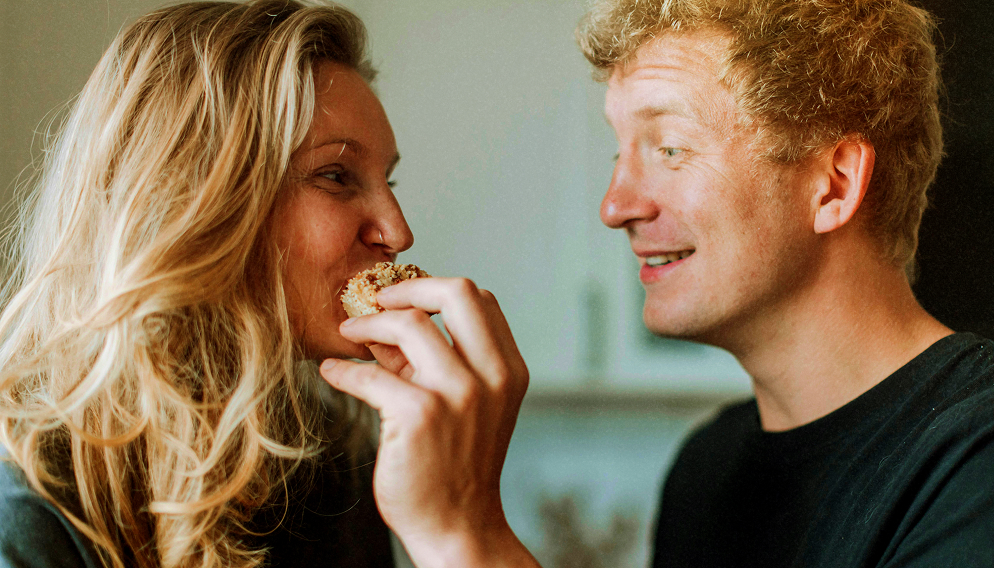
Increasingly, couples prioritize shared experiences. And in most cases, these experiences are participatory rather than transactional.
So, cooking together, trying a new activity, planning a short trip, or simply building an evening around intentional time has become more meaningful than exchanging expensive items.
Ankita Tripathy, a 29-year-old lifestyle blogger, agrees, “I mean, sure, it feels great to get something expensive, or even handmade. But I can get a gift for myself, too, you know? For me, what really stays behind after a few years is not the gifts but the moments – the small ones – the experience. And that better be magical!”
Why Are People Choosing Shared Experiences Over Material Gifts?
A major part of this shift reflects practical realities.
As a result, you can’t ignore the role played by financial mindfulness, particularly among younger daters navigating uncertain economic conditions.
But there’s also a deeper psychological layer at work.
Experiences tend to create lasting emotional anchors – memories tied to interaction, vulnerability, and shared novelty. And objects can rarely replicate that depth.
Moreover, there’s less pressure to compare experiences. A thoughtfully planned evening feels personal in a way that price-tag-based gifting often doesn’t.
Also, rather than competing with idealized social media benchmarks, couples are choosing moments that reflect their specific dynamic.
The data entirely support my observation. So, I looked this observation up on the internet. And guess what I found?
68% of couples today prefer experiential gifting over traditional gifts. This includes cooking classes, spa days, or travelling.
In addition, relationship experts say a strong desire to create lasting memories and connect emotionally is behind this shift.
2. Situationship Transparency:
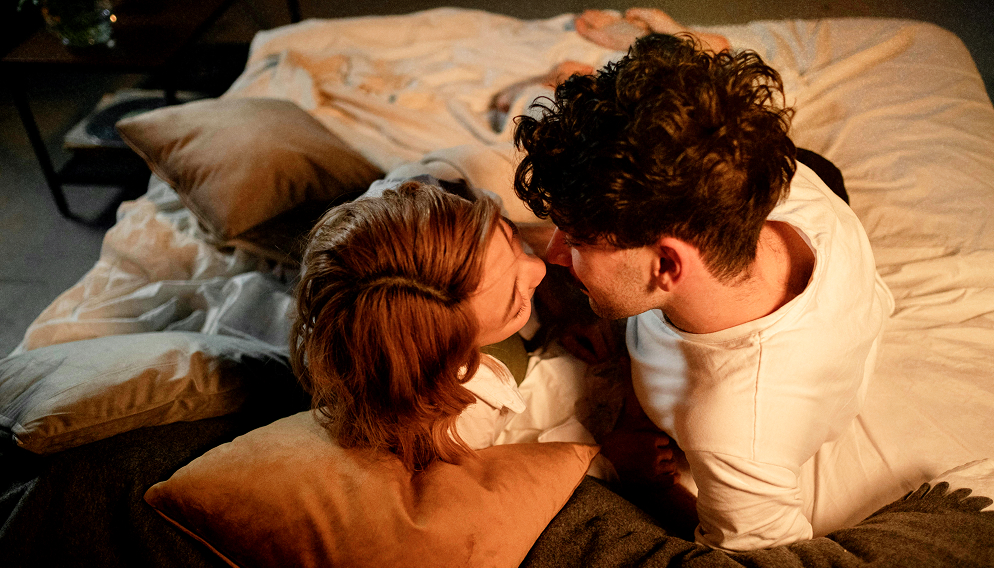
I think situationships are an emblem of modern dating. This relationship structure floats heavily between committed and casual.
The catch? You are neither here nor there. So, you don’t define your ‘relationship,’ but you are emotionally attached.
No wonder these hurt so much more than a real breakup! And while these romantic equations have existed for years, we only recently found a name for them.
Frankly speaking, situationships have always existed, especially when we were in college. We had just come across dating apps – and what do you think we were doing back then?
For instance, there are so many people I have randomly stopped talking to one morning because I didn’t feel like it. Years later, I realize this toxic habit has a name: Ghosting.
Situationships are no different. However, what changed is how openly people can acknowledge it now.
Moreover, it is easier for people to deal with ambiguity than to pretend nothing is going on.
And on Valentine’s Day, this transparency really matters.
There isn’t any pressure to celebrate the day. And more importantly, if you choose to celebrate the day, it doesn’t necessarily signify exclusivity.
Should You Celebrate Valentine’s Day If You Are In A Situationship?
Like I just said, there is zero pressure to celebrate the day if you are in a situationship. But if you end up doing so, then don’t treat it as exclusivity.
Also, think about it. Does stepping out for dinner with your situationship imply that you guys are exclusive? Not really!
Moreover, sending a text does not automatically imply any label. Similarly, sending a ‘Happy Valentine’s Day’ text doesn’t signal anything.
Instead, why not approach this day honestly? By choosing to recognize emotional connection and celebrate the day, it is so much healthier than forcing a premature label.
In this context, Misbahuddin Mullah, a 26-year-old sales professional, shared his opinion on celebrating Valentine’s Day with his situationship: “Celebrating Valentine’s Day with my situationship is fun and liberating. The individual is not bound to celebrate the day under the label of a relationship with one person. Instead, they can choose to celebrate the day honestly. After all, Valentine’s Day is all about love. Also, being in a situationship on Valentine’s Day is more like a non-committed, non-conditional show of affection, which shouts that you may not be my Valentine next year, so let’s enjoy it to the fullest.”
This trend clearly reflects the increasing emotional literacy in the dating landscape. Moreover, individuals are done sticking to binary categories of ‘casual’ or ‘serious.’
Also, it reduces the anxiety historically associated with the holiday.
Valentine’s Day becomes less of a relational litmus test and more of a moment for authentic interaction, regardless of structure.
Related: 200+ Happy Valentine’s Day Quotes And Wishes
3. Low-Pressure Celebrations:
For years, Valentine’s Day carried an unspoken expectation of spectacle. Grand gestures were framed as proof of affection.
Moreover, minimal effort risked being interpreted as indifference. That binary created unnecessary tension, particularly in newer relationships.
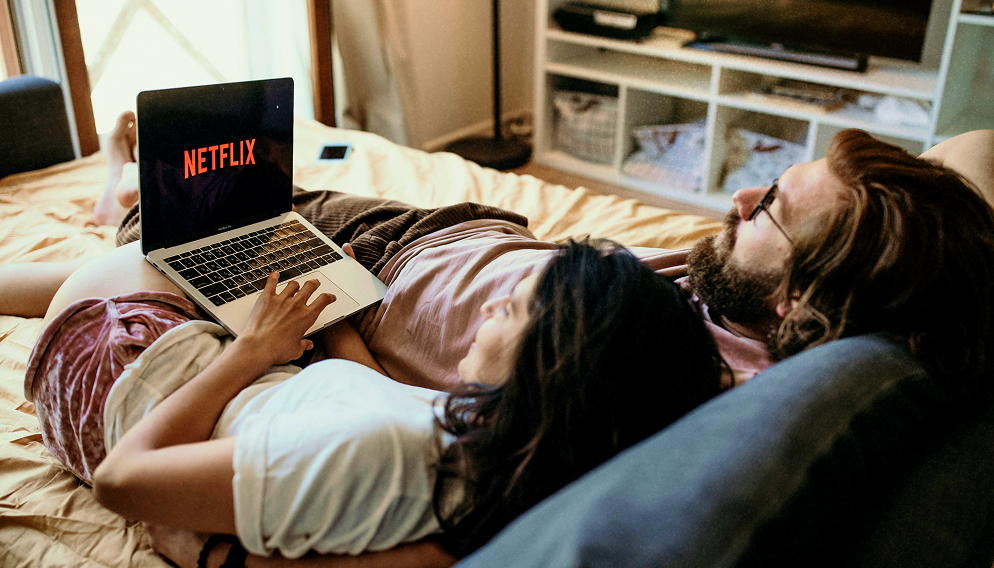
TBH, I’ve always been a fan of low-pressure celebrations. But the commercialism around the day has always made me feel like we have to do something! As if spending the day at home with my partner binge-watching crappy movies over some great food wasn’t enough for me.
I am at a peaceful place in my life – and all I want is to spend time with my partner at home.
Thankfully, we both feel the same, but the pressure around the day forced us out of the house every year, until I put my foot down two years ago.
Since then, as a couple, we have only had low-pressure celebrations. At the end of the day, it is our money – so, we should get to decide how we want to spend it.
And if spending on Swiggy and Netflix feels like the right thing to do, then external judgments can stay out of our lives.
So naturally, I felt really good when I saw couples talking about planning something low-pressure this year. Of course, if you guys are into going all out with grand gestures, good for you!
But for people like me, I can safely say we are living in a world that is fine with low-pressure or no celebrations on this day!
What To Expect On Valentine’s Day 2026?
In 2026, the emotional climate surrounding the holiday is softer.
More couples treat participation as optional rather than obligatory. Plans may be modest, spontaneous, or intentionally understated.
Moreover, humor about the holiday is common. Open conversations about expectations are increasingly normalized.
This doesn’t mean people care less. Rather, it means they’re prioritizing alignment over performance.
Also, a low-pressure approach allows individuals to match celebration intensity with relationship stage, comfort level, and personality.
Someone who values simplicity can express care without mimicking cinematic romance. Similarly, someone who enjoys tradition can still embrace it without assuming it is universal.
As a result, removing performance pressure often produces something paradoxically more meaningful: authenticity.
4. Digital And Hybrid Intimacy:
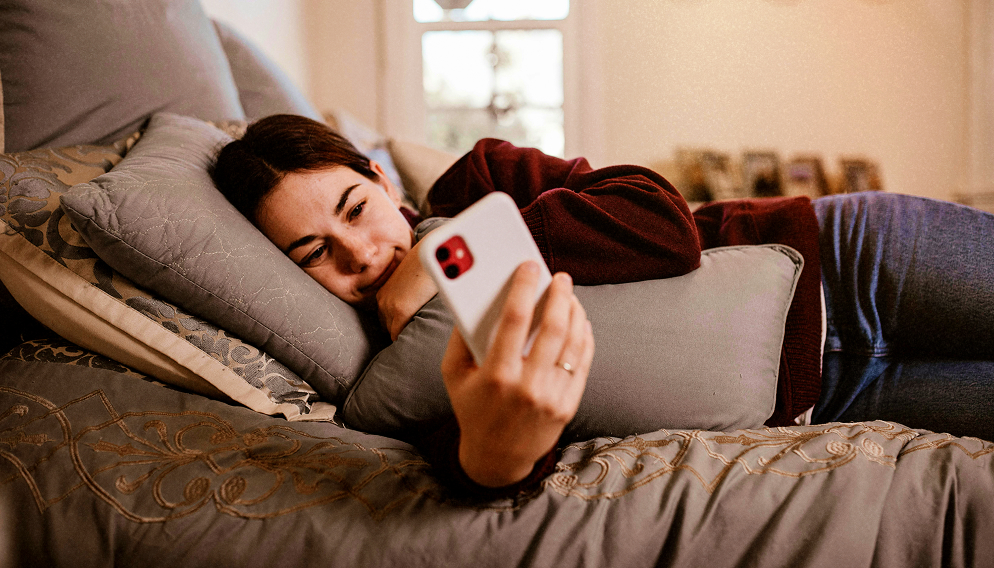
Technology’s role in relationships continues expanding, and Valentine’s Day planning reflects that reality. Intimacy no longer depends solely on physical proximity.
Moreover, this shift became significantly more prominent post the 2020 Pandemic. My relationship was only a year old during that time, and I have always hated long-distance relationships.
As a result, it was one of the most difficult phases for me initially. But gradually, we fell in love with our daily video calls – so much so that even now we only video call.
Also, long-distance couples routinely celebrate through virtual dinners, synchronized streaming, online games, or shared digital spaces.
Plus, we are not the only geographically close partners who incorporate tech-mediated interaction in their daily lives. So many of my friends depend on collaborative playlists, message-based storytelling, or curated memory archives.
These practices aren’t substitutes; they’re extensions of connection.
Also, I feel digital intimacy allows personalization at scale. For instance, a playlist constructed with intention or a carefully timed message sequence can feel deeply attentive.
On top of that, technology creates accessibility, ensuring distance or scheduling constraints don’t exclude participation.
Valentine’s Day 2026 highlights a broader truth: meaningful romantic gestures are platform-agnostic. Emotional presence matters more than medium.
Social Media Fatigue And Authentic Sharing:
While digital platforms remain central to romantic expression, there’s growing fatigue toward curated displays.
Increasingly, individuals differentiate between meaningful experience and public documentation.
Moreover, while some couples share selectively, others avoid posting altogether. The absence of visible validation is becoming less indicative of relational depth.
Also, this trend underscores a recalibration of value systems. Emotional experience is gradually reclaiming priority over external perception – romance doesn’t require an audience.
5. Redefining The Day For Singles:
Another notable evolution is the decoupling of Valentine’s Day from exclusive romantic ownership. Participation is no longer confined to couples.
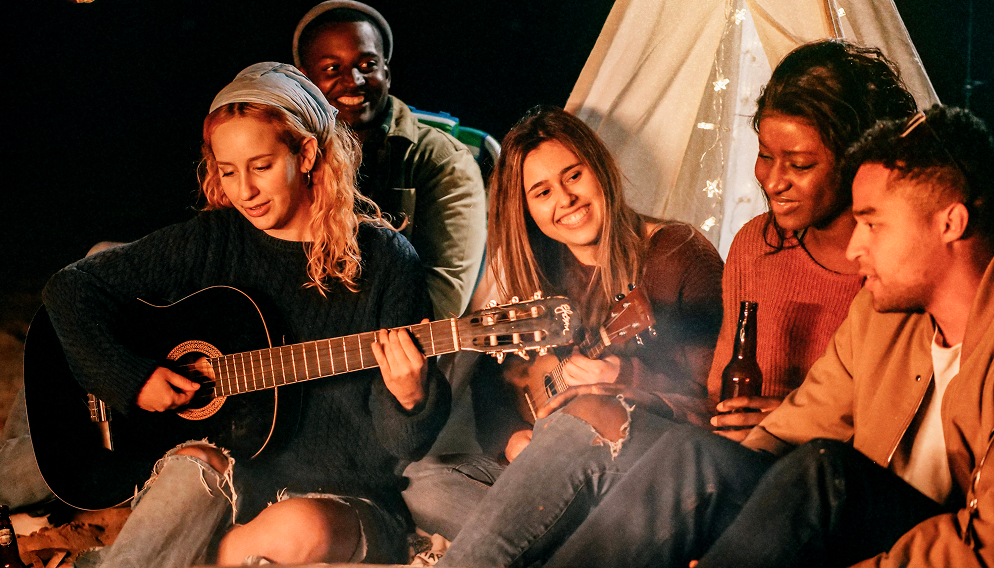
Many singles approach the day as an opportunity to invest in friendships, personal growth, or self-directed care.
Moreover, gatherings with friends, creative pursuits, and intentional solitude all represent valid forms of engagement.
This reframing reduces stigma around singlehood and challenges outdated narratives that equate partnership with fulfilment.
Culturally, the shift signals an expansion of definitions of connection. Moreover, love is recognized as multidimensional – platonic, communal, and internal as well as romantic.
Valentine’s Day 2026 reflects a broader inclusivity: belonging isn’t contingent on relationship status.
How To Celebrate Valentine’s Day If You Are Single?
Being single on the Day of Love can feel embarrassing and loud – or so I have been thinking for years. But that’s just one of the several internalized issues that most women are facing.
So stop the overthinking, and here’s how you can celebrate Valentine’s Day 2026 if you are single:
A) You should definitely consider pampering yourself for a long and relaxing spa day. Just the idea of spending a few hours at the spa is comforting in itself!
B) So if you bookmark recipes on Instagram (like me), then this weekend is perhaps the best time to finally follow through. And this one’s for everyone who knows they can cook well, but they just don’t have the time (*winks*)
C) How about planning a fabulous Galentine’s Day? Host a galentine bash for all your girlfriends and spend the day in silk pyjamas sipping on fun cocktails.
D) I would also recommend retail immersion therapy. It’s time to buy yourself some great gifts. After all, who knows you better than you? Then why not buy yourself some Valentine’s Day gifts?
6. Personalization Over Tradition:
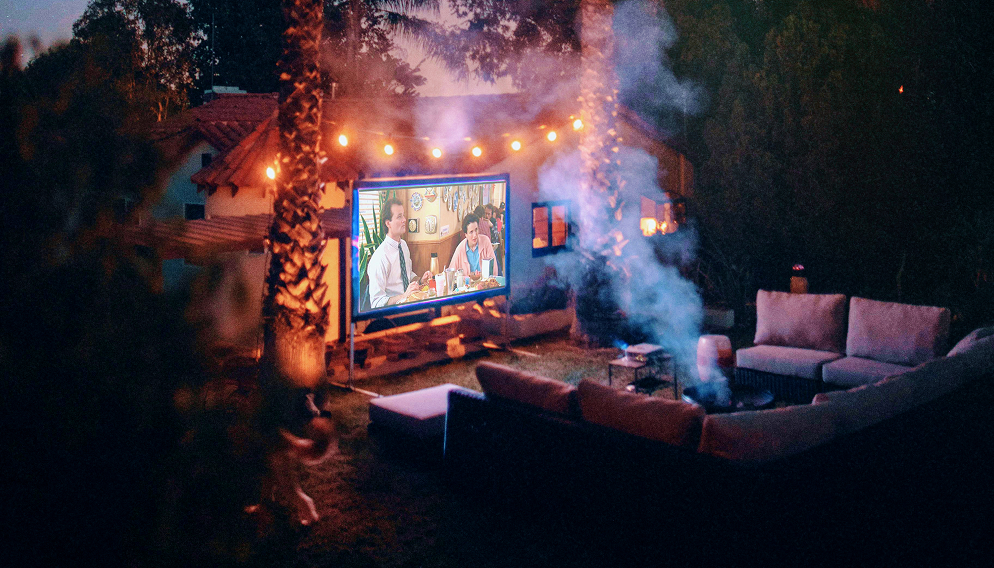
Traditional Valentine’s rituals persist, but adherence is more flexible than ever. Many people borrow selectively from established customs while reshaping them to suit individual dynamics.
Moreover, I think it’s absolutely fine to incorporate traditions in life, as long as you are personalising them. And it’s true for everything.
For instance, as per tradition, we make it a point to spend the day together. But does the day always entail dinner reservations and a bouquet of roses? Not really.
Also, my partner and I have our own set of rituals – as anyone in a long-term relationship should. Movie marathon while ordering gourmet is therapeutic for us as a couple – and this is true for most long-term couples I’ve met.
As a result, personalization might exist in different forms. This includes:
- Inventing private rituals.
- Celebrating on alternative dates.
- Combining cultural influences.
- Redefining symbolic gestures.
So, here the emphasis lies in relevance rather than replication. Valentine’s Day becomes less about honoring convention and more about expressing relational identity.
Also, this fluidity reflects contemporary dating’s broader ethos, choosing adaptability over prescription.
How To Personalize Valentine’s Day 2026 For Your Loved One?
I know personalizing Valentine’s Day for your partner sounds appealing. However, it’s too last-minute for everyone to plan something super unique – trust me, I understand!
Don’t you worry, I have some excellent ideas to help you personalize the Day of Love for your partner!
A) Create Memories: Ditch the store-bought cards for the year! Instead, write them a love letter expressing how you feel about them. Also, you can assemble a cute memory jar containing notes of your favorite relationship memories.
B) Customize Gifts: You can customize gifts for your partner. For instance, if you are getting them jewelry, then consider engraving them with your partner’s initials.
C) Try Out Experiential Gifting: How about recreating your first date? Also, you can come up with a romantic playlist for just the two of you if you want to keep things simple. And if you want to go all out, then how about a DIY treasure hunt with several small, thoughtful gifts?
Valentine’s Day 2026: 3 Date Ideas That Are Unique, Romantic, And Perfect For Anyone!
So I really want to help everyone out, even if it’s last-minute.
Trust me, you can plan multiple experiences for your partner on this Valentine’s Day, thanks to my cutesy list of ideas. Also, remember these are ideas – you can execute them however you like!
A) Cook Together At Home:
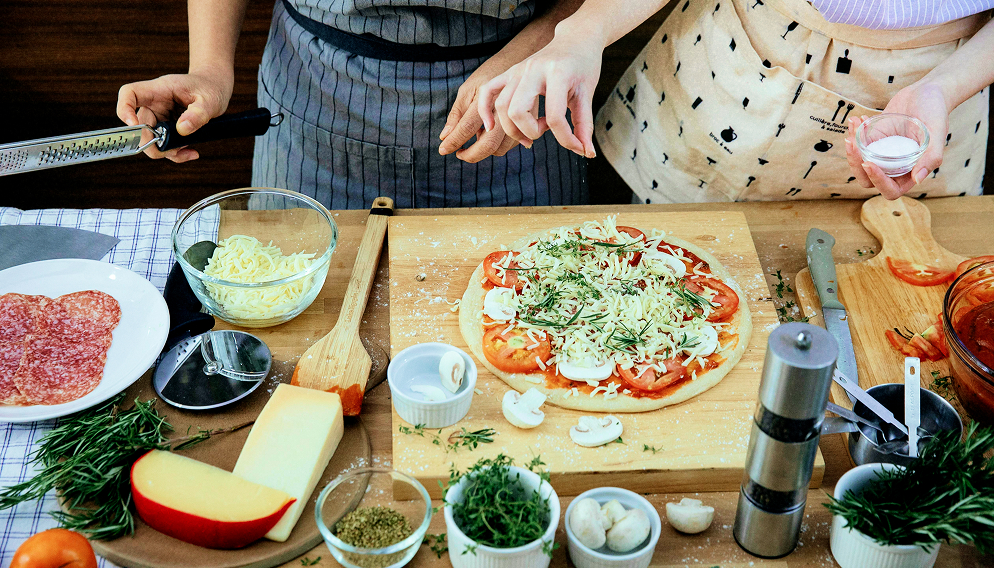
I love stepping out on dates. But then there are special days (like Valentine’s Day) when staying at home with my partner to avoid the crowds outside sounds perfect.
On such occasions, we cook a nice meal together, set the table, pour wine, and have a quiet, romantic night at home. Also, I love the quality of conversation during such at-home dates.
In addition, you can light a few candles, play some instrumental music softly in the background, and dim the lights to set the mood.
This is perfect for new couples spending Valentine’s Day for the first time.
B) Go Away For The Weekend:
My boyfriend is an adventure enthusiast and a professional mountaineer. As a result, he hardly ever gets to go on relaxing vacations.
On special occasions, we often go away for the weekend. Sometimes we pick romantic hill stations that are only a half-day away, and at times, we end up booking a luxury weekend staycation at a fancy resort.
The point is to spend two days away from our daily busy schedules – time apart from everyone to spend time with each other! Moreover, if you can’t manage to step out for the weekend, then you can plan a hike closeby – I’m sure it is possible!
C) Relaxation And Wellness:
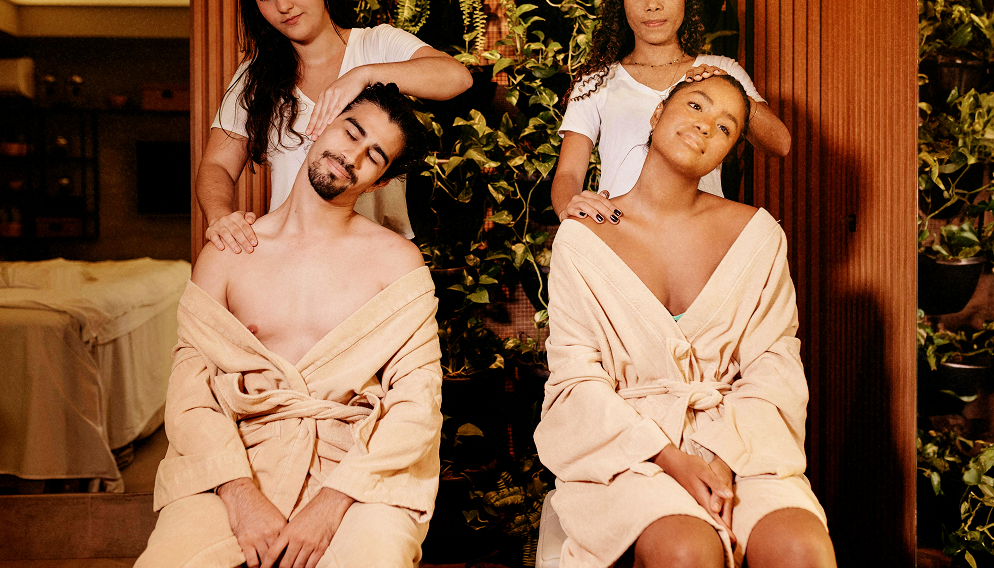
Spa dates are fun – ask anyone who has been on one! And I’m not talking about DIY spa dates at home where you put on a face mask and watch a movie.
While that is fun if you want to keep things less overwhelming, I suggest checking out the different Valentine’s Day special couple packages available at all good spas.
From enriching salt cave and couple float sessions to detoxing cold punges and infrared sauna experiences, there are so many options.
When Did Emotional Intelligence Become Attractive?
Perhaps the most profound cultural shift shaping modern dating isn’t behavioral, it’s psychological. And emotional intelligence has become a defining marker of desirability.
Moreover, thoughtfulness, clarity, empathy, and boundary awareness carry significant weight in how people evaluate partners. These qualities manifest particularly strongly during symbolic moments like Valentine’s Day.
As a result, gestures rooted in attentiveness resonate more than standardized romantic templates.
Ejaz Ahmed, Chief Operating Officer at Blogger Outreach, agrees. He said, “Intelligence gets you in the door, emotional intelligence decides how long you’re invited to stay. Whether it’s a professional relationship or a personal one, the single greatest distance between two people is a lack of empathy. High emotional intelligence is the bridge that turns any monologue into a meaningful connection.”
Also, remembering preferences, referencing shared experiences, or demonstrating active listening signals investment in a way that a generic effort cannot replicate.
This trend reflects broader societal emphasis on mental health awareness and interpersonal responsibility. Relationships are increasingly seen as collaborative emotional ecosystems rather than performative milestones.
Romance in 2026 isn’t measured solely by visible acts. Rather, it is measured by relational attunement.
Valentine’s Day 2026 Is Reshaping Modern Romance!
Valentine’s Day 2026 illustrates how deeply dating culture has transformed.
Seemantini Bose, marketing head at Viacon, agrees. She said, “When we were growing up, Valentine’s Day was about flowers, chocolates, and a dinner date. Over time, gifting got bigger; jewellery or perfumes. Today, younger couples seem far more interested in experiences. Quiet dinners, staycations, and simply spending quality time together matter more than gifts. Connection is being valued over material gestures, and that’s a great thing!”
Romance remains significant, but its expression is increasingly shaped by intentionality, emotional awareness, and contextual flexibility.
The dominant themes are consistent:
- Presence over materialism.
- Transparency over assumption.
- Authenticity over performance.
- Connection over proximity.
- Personal meaning over tradition.
Ultimately, the evolution of Valentine’s Day mirrors the evolution of relationships themselves.
The question is no longer how closely celebration aligns with expectation — but how truthfully it reflects the people participating.
Because modern romance isn’t defined by rituals alone, it’s defined by how individuals choose to show up for each other, and for themselves within them.